
A Slice of Hoosier Heartland History
Kempton, a small town nestled in the heart of Indiana, boasts a rich history that mirrors the development of many Midwestern communities. Founded in the late 19th century, Kempton’s story is one of resilience, community spirit, and the enduring charm of small-town America.
From Railroad Boom to Charming Rural Community

Kempton Today
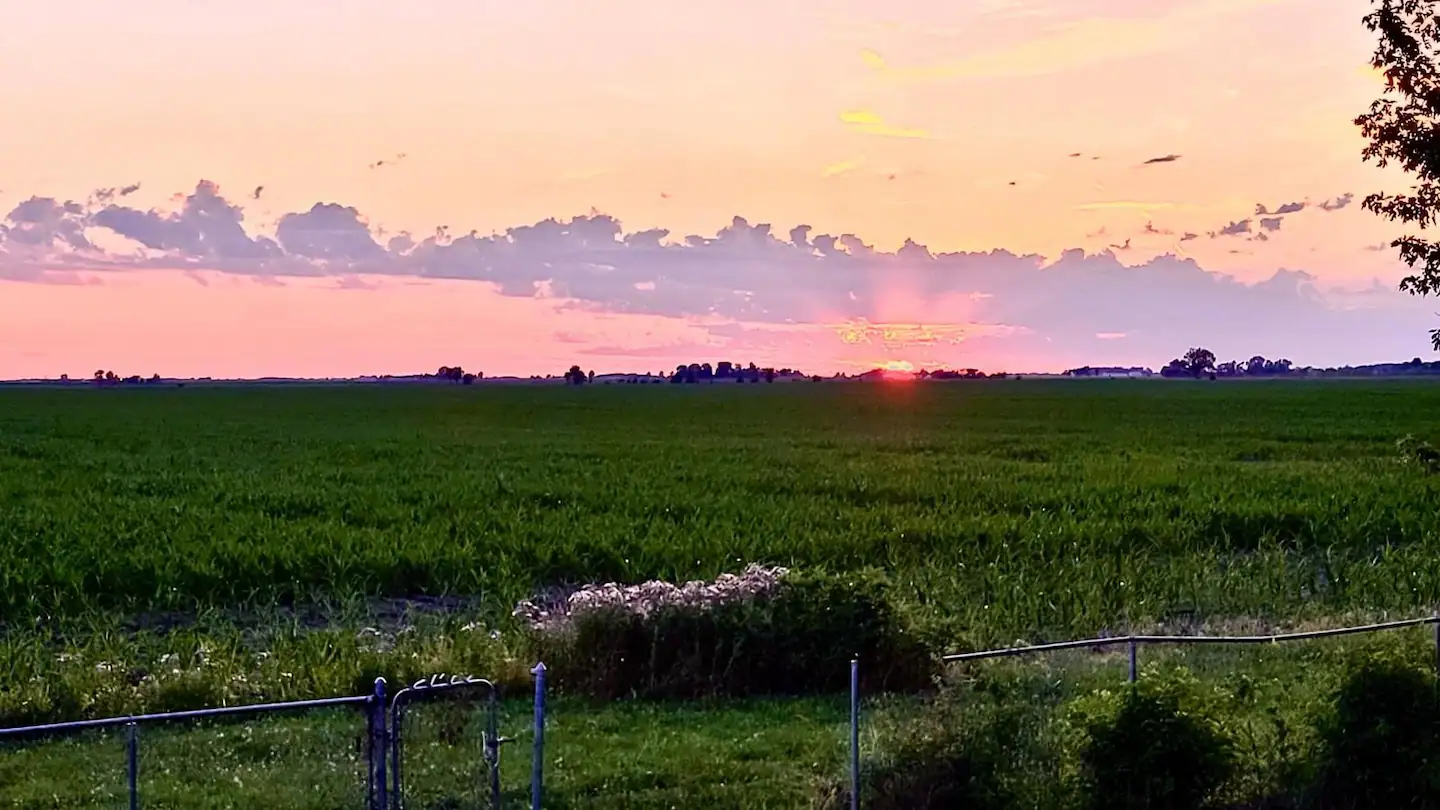
As of 2024, Kempton remains a small, charming rural community with a population of approximately 350 residents. While smaller than in its railroad heyday, the town retains its close-knit character and agricultural roots.
Key features of modern-day Kempton include:
- A quiet, family-friendly atmosphere that attracts those seeking a slower pace of life
- Active community organizations and events that maintain strong local ties
- Proximity to larger cities like Indianapolis, offering a balance of rural living with access to urban amenities
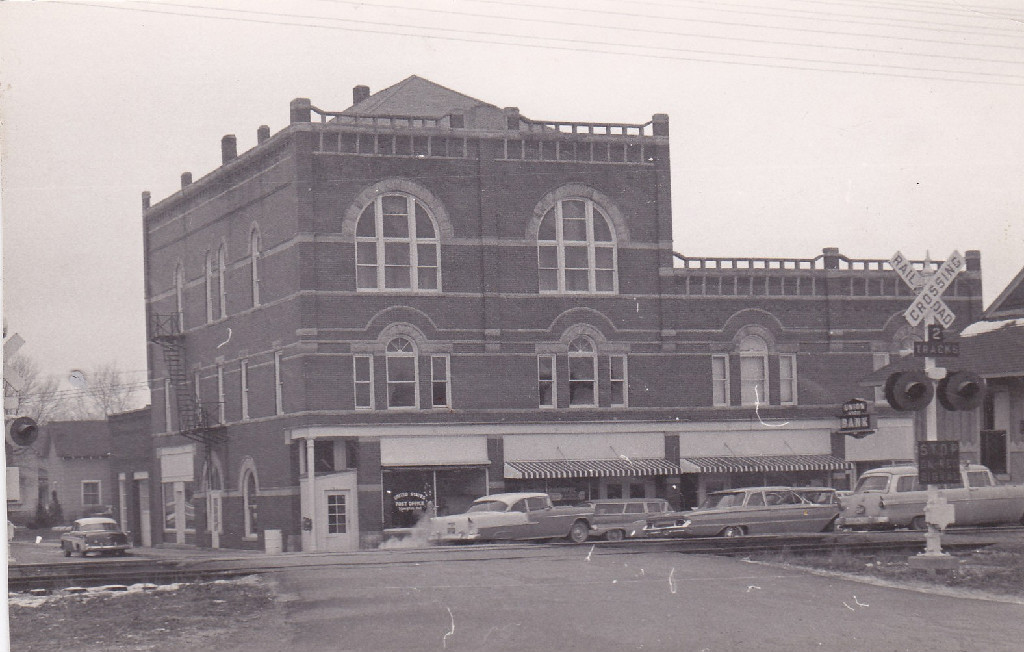
- Preserved historical buildings that offer glimpses into the town’s rich past
- The enduring importance of agriculture, with many residents involved in farming or related industries
Kempton stands as a testament to the enduring spirit of small-town Indiana, where history is cherished, community bonds run deep, and the simple pleasures of rural life are celebrated every day.
Kempton was officially established in 1875, named after Crosby Kempton, a key figure in bringing the railroad to the area. The town’s birth was closely tied to the expansion of the Lake Erie and Western Railroad (later part of the Nickel Plate Road), which fueled its early growth and economic development.
Railroad Boom and Growth
The late 19th and early 20th centuries saw Kempton flourish as a bustling railroad town. The strategic location along the rail line made it an important stop for both goods and passengers, fostering the growth of local businesses and attracting settlers to the area.
Community Development
As the town grew, it developed the hallmarks of a tight-knit community. Schools, churches, and local businesses sprang up, serving the needs of residents and cementing Kempton’s identity as a self-sufficient small town.
Agricultural Roots
While the railroad was crucial to Kempton’s establishment, agriculture quickly became the backbone of the local economy. The fertile lands surrounding the town were ideal for farming, with corn and soybeans becoming major crops. Many of the original family farms established during this period continue to operate today, preserving Kempton’s agricultural heritage.
Challenges and Resilience
Like many small rural communities, Kempton faced challenges with the decline of railroad importance and changing agricultural practices in the mid-20th century. However, the town’s strong community bonds and adaptability helped it weather these changes.